Introduction
Varicose veins are not simply a cosmetic concern; they can represent underlying health concerns that need attention. With advancements in medical technology, varicose vein removal has actually become more accessible than ever. Understanding what to expect before, during, and after your treatment is vital for anyone thinking about treatment. This guide intends to equip you with thorough understanding about varicose vein removal processes, care choices, and recovery.
Varicose Vein Removal: What to Anticipate Before, Throughout, and After Your Procedure
Understanding Varicose Veins
Varicose veins occur when veins become enlarged or swollen due to malfunctioning valves. Frequently appearing as blue or dark purple bulges on the legs, they can cause pain or more serious issues if left unattended. Looking for consultation from a vein doctor at a trusted vein treatment center is the primary step towards healthier veins.
The Importance of Vein Care
Maintaining good vein health surpasses visual appeals; it impacts overall wellness. Appropriate vein care can prevent further complications associated with varicose veins, including blood clots or chronic venous insufficiency.
Consultation with a Vein Care Specialist
Before any treatment, it's crucial to consult with a vein care specialist Throughout this initial appointment:
- You'll discuss your symptoms. A physical examination will be conducted. Diagnostic tests like ultrasound might be performed.
This comprehensive assessment helps determine the very best course of action tailored to your needs.
Choosing the Right Vein Treatment Center
Finding a Regional Veins Clinic
When searching for a suitable center for your treatment, think about searching for terms like " veins physician near me" or " advanced vein procedures" A local clinic guarantees benefit and access to follow-up care.
Evaluating Credentials and Experience
Ensure that the vein center is staffed by certified experts experienced in vascular surgery. Search for certifications and patient reviews that reflect their proficiency in handling conditions connected to varicose veins.
Types of Varicose Vein Elimination Procedures
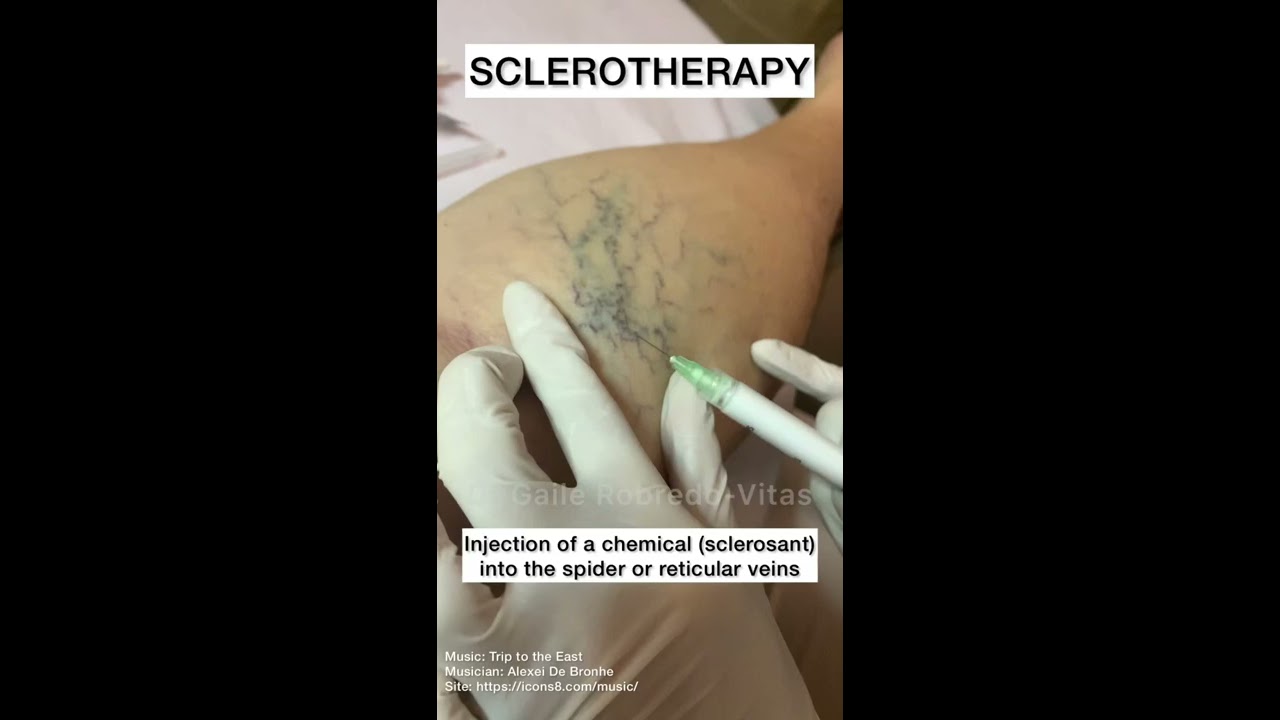
Sclerotherapy: A Non-Surgical Approach
Sclerotherapy involves injecting a service into the impacted veins, triggering them to collapse and fade with time. It's generally suggested for smaller varicose veins and spider veins.
Laser Treatments: Advanced Technology
Laser treatment utilizes focused light energy to target particular areas of the vein without hurting surrounding tissue. This method is less intrusive and typically requires very little downtime.
Endovenous Laser Treatment (EVLT)
EVLT is a minimally invasive treatment where laser energy is used inside the vein. It's progressively popular due to its efficiency and quick recovery time compared to traditional surgical methods.
Preparing for Your Procedure
Pre-Procedure Guidelines
In preparation for your varicose vein elimination:
- Avoid blood thinners like aspirin. Stay hydrated. Discuss any medications with your physician ahead of time.
These steps will help guarantee that the procedure runs smoothly and safely.
What to Wear on Procedure Day
On the day of your treatment:
- Dress comfortably in loose-fitting clothing. Wear sturdy shoes as you might be advised to stroll post-surgery.
During the Treatment: What Happens?
Anesthesia Alternatives Explained
Depending on the kind of treatment selected:
- Local anesthesia may be used for sclerotherapy. Sedation might be provided for more comprehensive treatments like EVLT.
Your vein physician will discuss these options during your consultation.

Step-by-Step Introduction of Common Procedures
Preparation: The location will be cleaned up and marked. Anesthesia: Administered based upon individual needs. Procedure Execution: The selected technique (sclerotherapy/laser) will take place. Monitoring: Post-procedure tracking ensures no immediate complications arise.Aftercare Guidelines Following Varicose Vein Removal
Immediate Post-Procedure Care
After your treatment:
- Rest as encouraged by your healthcare provider. Monitor for signs of problems such as increased swelling or discoloration around treated areas.
Activity Constraints Post-Surgery
Avoid heavy lifting or laborious activities immediately following surgical treatment:
- Light walking may be motivated within hours post-procedure unless otherwise specified by your doctor.
Table 1: Common Healing Timeline
|Day|Activity Level|Recommendations|| -----|----------------------------------|-----------------------------|| 1|Rest Day|Prevent strenuous activities|| 3|Light Activities|Start mild walking|| 7|Gradual Return|Resume regular activities|
Long-term Care: Preserving Healthy Veins
Lifestyle Changes Towards Healthy Veins
Adopting healthier habits can significantly impact your vein health:
Regular exercise boosts circulation. Maintaining a healthy weight lowers pressure on leg veins. Wearing compression stockings can offer assistance throughout prolonged sitting or standing periods.Follow-Up Sees at Your Vein Treatment Center
Post-treatment follow-ups are important in examining recovery progress:
- Regular check-ups help keep an eye on healing. Additional treatments may be essential based on specific outcomes.
FAQs About Varicose Vein Removal
1. What causes varicose veins?
Varicose veins are primarily triggered by weakened valves in the veins, causing bad blood circulation back towards the heart.
2. How do I know if I need varicose vein removal?
If you're experiencing discomfort, swelling, or noticeable bulging veins that affect your lifestyle or lead to pain, consult a vein expert who can recommend proper treatment alternatives based on your condition.
3. Are there threats connected with varicose vein removal?
As with any medical treatment, risks consist of bleeding, infection, or allergies but are normally low when carried out by skilled experts at credible clinics.
4. For how long does healing take after varicose vein removal?
Recovery times differ depending on the kind of treatment however most clients return to regular activities within a week while adhering closely to aftercare guidelines offered by their doctors.
5. Are there non-surgical alternatives available?
Yes! Sclerotherapy and laser treatments are https://privatebin.net/?20f1890fb287aa0e#Cmb8AfkYp6xNtozMgw1i3fAaDgAj3svqWD3fPRpUigNJ effective non-surgical options available at numerous vein treatment centers concentrating on advanced methods for treating varicosities without major incision procedures.
6. Will my insurance cover varicose vein removal?
Coverage varies based upon insurance plans; it's advisable to contact your supplier in advance regarding protection specifics associated with vascular surgical treatment procedures considered clinically essential versus those sought simply for cosmetic reasons.
Conclusion
In summary, comprehending what to expect from varicose vein removal-- in the past, during, and after-- is crucial for making informed choices about your healthcare choices in pursuit of much healthier veins. Consulting an experienced vein care specialist at a reliable vein treatment center will assist you through every action-- from medical diagnosis through healing-- ensuring optimum outcomes tailored specifically for you! Embrace this journey towards enhanced venous health today!